Taking Perfectionism out of New Year’s Resolutions

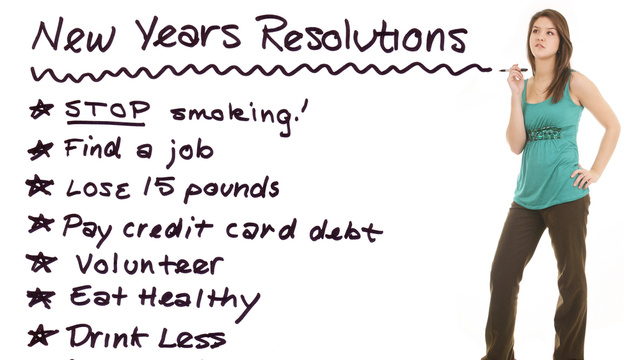
As we wrap up another year, people keep asking if I have any New Year’s resolutions. I never make official New Year’s resolutions. I realized in my twenties that  when it comes to  forcing overnight changes I usually fail.  I don’t enjoy adding additional pressure to my life. For me, change comes gradually. I do better with being in the process and witnessing improvement than adhering to hard and fast rules. I think for addicts in recovery, learning what you respond to best is key in setting the stage to make change.

While there are some people who respond well to the challenge of making drastic change, cut-off dates, and strict adherence to rules, for most of us resolutions are often just a new baseball bat disguised in sparkly paper waiting to be unwrapped – something new to beat ourselves up with.

Here are some of the ways I successfully took on self-improvement goals that many people set as New Year’s resolutions:

The Gym:

I always joke that before I got my first gym membership in recovery, every day was fairly pleasant. Once I joined a gym, every day that I didn’t go I’d hate myself. Suddenly I was spending $100 a month to have a new way to hate myself. I’d feel like shit because when I joined I really thought I would go every day. I’d compare myself to the one or two friends who went 5 times a week. If they can, why can’t I?  As time went on, I found my own rhythm to working out. It comes in waves. I’ve had periods where I’m energized and excited by various gym classes and will go religiously and there are other times where I’m lucky if I can make it there 3 times a week before closing for a forty-five minute workout. After several years of developing my own relationship to exercise, I realized that I workout because it has a positive effect on my mood and how I handle myself in the world. When the driving factor became mood over physical appearance, it was much easier to go. I guess I care more about feeling good than looking good. At least this is what my actions seem to imply. Funny thing is that whatever gets you there, over time, your body’s going to get better, stronger, healthier.

Smoking:

I would set a date to quit smoking and last only a few days. It was torture because I’d made so many public announcements that I was quitting. I knew I wanted to quit for health reasons but in my heart I wasn’t ready.  I felt like a failure and every time I let myself down it felt the same as every time I’d gotten high after swearing I wouldn’t.  It appeared so easy for other people.  Then one day when I’d given zero thought to it, zero prep time, I woke up and decided I was a non-smoker.  This happened naturally but the circumstances surrounding the days leading up to it had changed. Suddenly I hated the way my car smelled, I was brushing my teeth and washing my hands after every cigarette, and I could smell it everywhere I went. The smell was new and nauseating and I’m sure was what it took for me to want to leave smoking behind.

Diet:

I could easily eat pizza every day and never tire of it. In fact, when I’m busy and running with no time to prepare food, I’ve had days pass where I am grabbing a slice too often. Because I normally eat a variety of healthy clean foods, my body does not respond to a heavy pizza diet. I feel horrible in subtle ways- lower energy and a mild depression. I need fresh fruits and vegetables daily to feel good.  The same goes for sugar – if I eat fresh fruit daily, I have no sugar cravings but if days go by without fruit, I am suddenly craving cookies and sweets.  Now there is no one size fits all when it comes to food – especially because a lot of people in recovery also have easting disorder issues, but for me, as long as my diet is balanced and healthy, I will indulge in whatever I desire and not over do it. If I start to overdo any semi-junk foods, my mood is affected negatively so I will put on the brakes. At this point in my recovery, I am motivated purely by a desire to feel good.

I have listed these things because in my first couple years clean, these were the areas I wanted to address. I wanted to be a person who LIVED a healthy life. I would look to others to see how they were doing it but I would always hold them as models of perfection. It never occurred to me back then to ask them how they got there. From the outside they just looked like people who woke up one day and became gym goers, non-smokers, and healthy eaters. I should have asked them what the process was that got them to where they were. Addicts tend to compare themselves with others and give up if they fall short.  But often, the role models we look to for inspiration are also a work in progress – just like we are.  Rome wasn’t built in a day and if we resolve to create positive change in our coming year, we will have the most success if we set perfectionism aside and strive for progress at a pace that we can handle. Create a resolution to move toward a goal and remember we each get to create our own path to it. Stop comparing your progress to others’. You may struggle where some excel effortlessly and vice versa. Be as kind, loving and encouraging to yourself as you would be to others and you will see results in all areas you strive to improve. One day at a time.


Share

“But mom, you know I can’t drink!” Holidays in Recovery

I stopped eating meat in 1983 yet every few years my mom will say something like “It’s Thanksgiving. You can have turkey on Thanksgiving.” She isn’t opposed to my not eating meat, it’s that she can’t wrap her mind around it during holidays. I suppose the memories that make her warm, fuzzy and sentimental involve us all sharing the same meal.  I mention this because a lot of people in recovery will be going home for the holidays. Many are going to have an experience similar to mine but instead of turkey it will involve alcohol.

If you are new to recovery, you’re going to keep hearing people talking about how difficult the holidays will be and how many people will relapse. This is going to either scare the crap out of you or you’re going to dismiss it by thinking, “This doesn’t apply to me because I have absolutely no desire to drink or get high whatsoever.” The truth is – none of us can predict how we are going to feel ten minutes from now let alone during the holiday season. It’s better to enter the next few weeks prepared for anything. Have a solid recovery plan to increase your accountability to your support group, know where there are meetings ahead of time for wherever you will be traveling to, have people you can call at any hour, and make plans so you don’t spend the holidays in isolation or spend it exclusively in the company of people who are partying or who have the ability to push your buttons (family).  Basically whatever level of daily actions you now take to keep your recovery a priority, increase them until after January 1st. Better safe than sorry – and sorry does not mean relapse. It can mean emotional discomfort, living with heightened anxiety, or riding the roller-coaster of shame, remorse, or anger.

In most cases, your immediate family will be supportive of your recovery but they may not understand the disease. To them, you are doing so well they may not see any harm in a glass of wine at a toast or alcohol soaked desserts. It’s up to you to educate them beforehand on what you need. If you go to 12 Step meetings, tell them beforehand when you will be attending them so they aren’t disappointed if it conflicts with their plans. You don’t want to be in a position where you give up your meeting because your mother is upset. Also, let them know if going for a walk/run/yoga/gym is something you have to do for your mental and emotional well being so that you don’t get moody and lash out. If alcohol drenched sweets are part of the dessert ritual, make sure there is an alternative for you to enjoy. And most important – if your family’s idea of fun is getting sloshed together, know when it is time to leave. Don’t stick around for the insults on how you are now a stick in the mud or debates about whether or not you are an alcoholic.

Self-care and sobriety involves preparing for the holidays. While they are almost always a roller-coaster of the unknown to the newly clean and sober, those of us who have some time under our belt can still be hit with loneliness, grieving for those who are gone, feelings of inadequacy or whatever negative self-talk that can surface when we are the sober one at a party. Thank God, it does get easier. Holidays clean and sober really can be a blast. Even so, it is always good to have a recovery plan in place.

Share

Anatomy of a Vacation

I don’t know about you but getting clean made my life a whole lot busier. Twenty-three years later and the need for downtime and timeout from the day-to-day grind is as essential to my well-being and recovery as it ever was.

I’m writing this blog from my parent’s house in rural Ontario Canada. Every summer I spend two weeks here, a combination of amends and vacation time. My parents left the city of Toronto six years ago and moved to a town of eleven thousand people who are spread out across thousands rolling acres of farmland and forests.  A seven-minute drive ends at a sandy beach on Lake Ontario.

Usually I spend the majority of my time here in the yard or in my room working on whatever project I brought along. This trip has been different. I’ve spent a lot of time playing ball with a twenty-month old Jack Russell named Harley. Most days I take Harley to a stone beach and throw sticks into the lake for him, go on long country bike rides, walk the dog to the horse farms, and at some point drive back to the beach for a long swim. This routine is broken up by whatever scenic drives my parents want to take. Occasionally I will go to my room and check email or my cell to see if I am missing anything from my life in New York. I’m not. Until tonight, I also haven’t been writing.

Vacations are a time-out from the daily grind of life. I don’t know about you but I tend to forget this. I hear friends talk about doing nothing on island vacations but that has never been my style. Normally a vacation means visiting a new city somewhere on the planet and exploring it from morning until bedtime. My vacations are usually heightened stimulation and inspiration and a break from my regular life. Coming to Canada and forcing myself to work everyday at my computer was as close to doing nothing as it gets for me. This year I am having a real vacation. I must under-estimate the sheer levels of stress city life imposes: the noise, the crowds, the pressures to be here and there, the effort to maintain healthy balance with recovery, exercise, leisure, work, diet – the effort to stay sane. I love city life but it is important to take time out.  It took three days for my body wind down and a new level of rest come into me. I see this vacation as a re-up.

I arrived here with a lot of noise in my head. The list of what I need to get finished, emails that need to be sent, dates I need to schedule – there seemed to be a lot of things I “needed” to do – so much that I felt overwhelmed. Two weeks in a heat wave without air conditioning and I’d done nothing. So I arrived with stress and anxiety and exhaustion. This of course felt like low-grade depression. Free-floating waves of despair swept through me. I arrived depleted. Thank God. I was too beaten to summon the fight to keep going at my usual pace. Defeat was the silver lining of that heat wave.

Two days of napping and my spirit lightened. On day three I went to the beach. From that point on, my days have been spent as I indicated above. I now notice clouds, the smell of cedar as I bike past a forest, the sound of the waves hitting the shore, sunsets on the water. I have a sense of peace that is deeper than what I am able to get in the city with yoga, meditation and visits to the park. Sometimes you just have to step away from your life to get these needs met.

In recovery, I have learned to listen to my heart (or to my gut). It always lets me know what I need. This was even true in early recovery. You may not know you are stressed or burnt out until a friend tells you but if you take some quiet time, your body will let you know what it needs. It could be an air-conditioned movie to buy 90 minutes of not thinking about your life or texting anyone. It could be a long walk in the evening, a bike ride, a dance class. Your spirit will always cry out for some relief from the grind but it is up to you to feed it.

If you can’t get a vacation, give yourself one weekend day as a day for yourself and schedule in something that will feed your spirit: nap time, a country or beach walk, a river stroll, a picnic in the park with your favorite book – and please leave your cell and your i-pad at home for a minimum of 6 hours. I’ve checked mine and 8 days later, my real life has not fallen apart.

If your life is so busy that you can’t afford a whole day for yourself, schedule in several hours a couple times a week and use it to go outside. Pay attention to the small details in your view. We all have scenery, even in cities, so take some quiet time and look at whatever beauty there is around you. Think of it as a mini re-up.

Visiting parents can be the most stressful thing people in recovery can do and during the first 7 or 8 years of my recovery I never knew what to expect. Would I revert back to asshole teenage behaviors? Would old resentments take over my thoughts? Would I arrive with expectations and be disappointed? Would I blurt out something hurtful I couldn’t take back?  Visiting family didn’t always feel like a vacation. Luckily, the ongoing process of recovery has healed a lot of old wounds, given me perspective, and has changed my relationships – even with my parents. I am enjoying a peaceful vacation without busy-ness, without having feelings I need to escape from, and in the company of two people I am grateful to still have in my life.

In recovery, we change and our relationships with others change. You may cringe at the idea of two weeks with family but if it is something you do, who knows, maybe one day you’ll discover yourself enjoying it. Summer is a glorious time. Wherever you are and whatever you do, set aside some time to enjoy it and be rejuvenated by it.


Share

More Holiday Thoughts

I posted two blogs already about the holidays but the amount of email and conversations I have lately seem to keep going back to this subject. Here is what I noticed: people who have been clean and sober for a period of time (18 months or more) have a built in memory of the sneakiness of the disease at this time of year so they have upped their recovery time, maybe by going to more meetings or by making extra effort to connect with their sponsor and support group. They are not living in fear of the holidays – they are simply taking the actions needed for a smoother ride through the month. Almost everyone I know who has less than a year down to early days in recovery do not seem to think the holidays are going to be an issue for them. Some have even thought it out logically and are convinced that all this ‘high alert” stuff program people keep talking about will not apply to them.

I don’t fault the newcomers for it. From their point of view, they are being honest in how they feel. What they don’t seem to have yet is an awareness of how the disease of addiction continues to lurk, waiting for an opportunity to strike. Before I got clean, the insanity in my thinking and the level of stress I experienced was intense and only seemed to hit a level of calm and clear thinking after I used. Part of this was because the stress of withdrawal was removed by using but since the disease lives in the obsession/compulsion part of my mind it would come up again even while I was high – to get more, to say that amount wasn’t enough or it wasn’t strong enough – get more. Basically, the disease really only ever had one thing to say “MORE” and the rest of me – body spirit and mind – was enslaved to make it happen. Trying to exert control over it “I’ll get more tonight” resulted in a subtle level of mental agony and physical discomfort until the whole idea of getting more “tonight” turned into “getting more within the hour”. I’m sure we all know what it was like to be controlled by the disease, cave in to the compulsion and obsession by putting everything we wanted to do second to feeding the disease. When we first stop using, we are so amazed to look back at how completely enslaved we had been. We recognize how – despite our intelligence – the disease was more powerful. So we get clean and around the holidays, a sort of amnesia comes over us in early recovery. We can’t seem to connect with how powerless we had been. We feel like the disease is in the past (if it even is a disease) because we’ve been free from that level of obsession and compulsion for a while. In fact, most days, we feel all right.

“What’s this holiday panic we hear about in meetings?” This is how the disease works – newcomers often hear the experience of old-timers as if we are all panic-stricken about the holidays, living in fear of using. Meanwhile, this “panic” is not happening. People with clean time are simply stating that this is the time of year to be vigilant because the disease is “cunning powerful and baffling” and is capable of sneaking in and gaining a foothold if we are complacent about recovery. We say this because we have years of experience going through various feelings, early recovery emotional rollercoasters, core issue trauma and pain surfacing out of nowhere at this time of year and we have watched many people relapse. Old-timers are not biting their nails anticipating crisis. Instead we acknowledge the power of the disease and do what we have been told so that we can stay one step ahead of it – so it can be a smooth sailing holiday season. But – the newcomer doesn’t hear this – the newcomer hears fear but since they don’t feel the fear themselves this must not apply to them. This warning must be meant for someone else who is new at the meeting. Not them. But this line of thinking is precisely how the disease gains foothold, making them believe they are the exception to the rule. Closing their mind to recovery tools that will strengthen and protect them.

What I know as an addict with 23 years clean who has watched numerous friends with 20 years relapse, is that when it comes to the disease, we are never fully free of it. It lurks in the shadows of our Being waiting for ways to make the “program” experience of others no longer apply to us, as if we are cured. Someone’s advice on jobs, dating, or financial matters – it really may not apply to me. But their experience with recovery usually does. I am not immune to relapse but as long as I continue to take actions the disease can not blind me and move me away from recovery, there’s a good chance I will stay clean.

This time of year – if you are new to recovery and you hear people sharing about their struggles during the holiday season recognize that this sharing is recovery in action. If you feel fine but notice yourself attending less meetings, feeling like you are “over” some of your friendships with people you’ve met at meetings and decide it’s time to clean house on your cell phone, you start spending a lot of time alone because it feels better than being with others – beware. Take the opposite action to what your head is telling you is true.

If you are new and starting to feel like this recovery job takes up too much time and you miss the simplicity of your life before you got clean – this sort of thinking will put you in a dangerous place this month. Even if it’s true you that miss your old life and old friends and hate going to so many meetings – do yourself a favor, put in the extra time this holiday season and trust me – it won’t always be like this. Being self reliant shouldn’t come so early in recovery. Remember – your best thinking is why you ended up in meetings in the first place. This holiday season, keep and open mind and let experience members guide you. This is not the time to do it alone.

Share

Feelings: Family & Holidays Triggers

Q. I am new to sobriety and lately at meetings all I’m hearing about is how hard the holidays are. Why is everybody freaking out?

A. The danger of any experience that triggers feelings of fear, shame, guilt, remorse, and negative thoughts about oneself is that they fuel the disease and can lead to
relapse. As active addicts, we used over uncomfortable feelings.

Everyone has different trigger times. For some people, a birthday can awaken inner criticism of having not achieved certain goals. Being without a date on a Saturday night can trigger feelings of loneliness, insecurity and escalate to fears of dying alone.

Holidays are a minefield for intense emotion and affect most recovering addicts and alcoholics. Anyone experiencing a first holiday season clean/sober is especially
vulnerable.  The trigger for many is family – whether missing them from a distance or visiting them for the twentieth time, a lifetime of memories and feelings surface: joy, love, and excitement, anger, shame, guilt, old resentments, unfulfilled expectations, sadness and loss for those who have passed away.

The disease grabs onto any feeling of discomfort, magnifies it, and then judges us for having it. While caught up in this inner turmoil, it seems like people who are drinking are the only ones having a good time. This is why it is strongly recommended to stick close to your sober support group, plan ahead and map out meetings wherever you are going, have on hand alternative places to stay if the family environment is difficult and remember – it is OK to leave a party early.

Part of relapse prevention is to share whatever is making you uncomfortable – if it is fear of going home for the holidays, work parties, loneliness, or thoughts of drinking or using. Sharing on a group level takes the negative power away and lessens the fear. It also invites experienced members to take you aside and tell you how they handled similar situations in recovery.

When you hear people in meetings sharing their fears you are witnessing recovery in action. This is what works to keep people clean and sober.


Share